
Goldfinch care, identification and legal notes
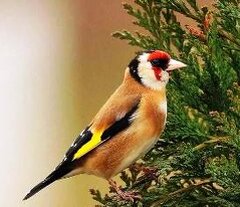
The British Goldfinch (Carduelis carduelis) is a small native finch recognised by its bright red face, black-and-white head, warm brown back and striking yellow wing bars. In the UK it is found in gardens, hedgerows and rough ground where thistles and teasels are abundant.
Males and females look broadly similar, but males often show a slightly larger red mask extending behind the eye and may sing more persistently. Captive-bred colour mutations exist, but this guide focuses on the typical British form.
Goldfinches are active, agile birds that spend much of their time perched high or hanging acrobatically from seed heads. Their song is a pleasant, tinkling series of trills and twitters, and flocks are often heard before they are seen. In captivity they need ample space, good enrichment and careful attention to welfare to express these natural behaviours.
This page focuses on the care, identification and legal considerations for keeping British Goldfinches in the UK. It is aimed at responsible hobbyists using only legally captive-bred birds.
Goldfinches are generally lively, alert and somewhat nervous birds. They are less inclined to tame down to close handling than many canaries, and are best appreciated visually and through their song rather than as “hand” birds.
They usually do well in a well-planned mixed British finch aviary, provided all birds are healthy, compatible and given enough space, cover and perches. Overcrowding, poor diet or mismatched species can lead to bullying or stress, so careful observation is essential.
For complete beginners, Goldfinches can be slightly more demanding than some canaries due to their higher activity levels and legal considerations. However, with good preparation, appropriate housing and the support of experienced keepers, they can be kept successfully and enjoy a very good standard of welfare.
If you are new to bird keeping, it is strongly recommended that you read our general beginner guidance and, if possible, talk to an experienced UK Goldfinch keeper before starting.
Provide visual cover using non-toxic plants, branches or artificial greenery so birds can retreat and feel secure. Goldfinches appreciate height and will often choose higher perches to rest.
Good hygiene is essential: clean feeders and drinkers daily, and remove soiled flooring, seed husks and droppings frequently. Regular deep cleans help control parasites and disease.
Maintain a stable, comfortable temperature, avoiding extremes, sudden draughts and damp. Ensure a natural day–night cycle; if using artificial lighting indoors, offer a consistent schedule and allow a quiet, dark period for proper rest.
Goldfinches are active, athletic birds that should not be kept in cramped cages. A spacious flight or aviary is strongly preferred, allowing them to fly rather than simply hop between perches.
For indoor housing, aim for a flight at least 150 cm long, with more space always beneficial. Outdoor aviaries must be secure, weather-sheltered and predator-proof, with a dry, draught-free shelter area.
Use a mixture of natural perches of different diameters (such as safe, untreated branches) to promote good foot health. Avoid smooth, uniform plastic or sandpaper perches as the only option.
Goldfinches are primarily seed eaters with a particular liking for fine, oil-rich seeds. A high-quality finch mixture should form the base of the diet, with an emphasis on small seeds such as niger, canary seed and similar suitable mixes.
Offer fresh green foods regularly, such as chickweed, dandelion leaves (from clean, untreated areas) and other safe leafy greens. These provide valuable vitamins and help mimic natural foraging behaviour.
Some keepers provide small amounts of appropriate soft food or live food (such as mealworms) during the breeding season or when rearing chicks. If used, these should be clean, controlled and not excessive.
Never feed chocolate, alcohol, salty or heavily processed foods, avocado, or any food suspected to be contaminated with pesticides or herbicides. When in doubt, leave it out.
Clean, fresh drinking water must be available at all times and changed daily. Provide suitable mineral grit or a mineral block according to current best practice, and avoid over-supplementation unless advised by an avian vet.
In the UK, Goldfinches typically breed in spring and early summer. Any breeding attempt in captivity should mirror natural light and temperature cycles as far as practicable, and must always respect welfare and legal requirements.
Goldfinches favour cup-shaped nests placed in sheltered positions. Many keepers offer open or half-open nest pans lined with suitable nesting material. Pairs should be healthy, compatible and in good condition before breeding is considered.
It is vital not to over-breed birds. Allow adequate rest between clutches and do not push late-season or continuous breeding. Chicks require stable conditions, good hygiene and quiet surroundings to thrive.
Only captive-bred birds may be used; wild-caught Goldfinches must not be taken or used for breeding. Always check that your plans comply with current UK law and guidance.
Good record-keeping is essential. Keep clear notes of parentage, hatch dates, ring numbers (where used), transfers and sales. These records support welfare, help you manage your lines responsibly and provide evidence that birds are lawfully captive-bred.
Before advertising any birds for sale or wanted, make sure that your plans and wording comply with our Ads & Questions policy and current UK legal requirements.
Healthy Goldfinches are bright-eyed, alert and active, with smooth, well-kept plumage and a good weight for their size. Sudden changes in behaviour, fluffed-up appearance, reduced song, sitting low on the perch, laboured breathing or dirty feathers around the vent can all be early warning signs of illness.
Common problems in finches generally include respiratory issues, mites, intestinal parasites and bacterial or fungal infections. Good hygiene, quarantine for new birds and sensible stocking densities all help reduce risk.
If you suspect a health problem, seek advice from an experienced avian veterinarian as early as possible rather than relying solely on home remedies or over-the-counter products. Early, accurate diagnosis is usually kinder and more effective.
Welfare is not just about avoiding disease. Provide mental stimulation, suitable companionship, opportunities for flight, a consistent routine and protection from stressors such as constant noise, overcrowding or rough handling.
| Topic | General information (UK) |
|---|---|
| Protected status | The British Goldfinch is a native wild bird protected under UK wildlife legislation. It is illegal to take birds, eggs or nests from the wild except under specific licences. |
| Captive-bred requirement | Any Goldfinches kept or bred in captivity must be lawfully captive-bred. You should be able to show that your birds were not taken from the wild, for example through rings, paperwork or reliable breeder records. |
| Ringing and identification | Closed rings and accurate records are commonly used to demonstrate captive breeding. Requirements can change, so always check current guidance from recognised UK bodies or authorities. |
| Buying, selling and advertising | When buying or selling Goldfinches, ensure that all birds are captive-bred and that any adverts are accurate, responsible and compliant with UK law and our Ads & Questions policy. |
| Record-keeping | Maintain clear records of the origin, ring numbers (if used), dates and any transfers of your birds. This supports welfare, good practice and legal compliance. |
| Important note | This summary is for general information only and is not legal advice. Always refer to up-to-date official sources or seek specialist advice if you are unsure about your legal obligations. |