



Chaffinch care, song and legal considerations
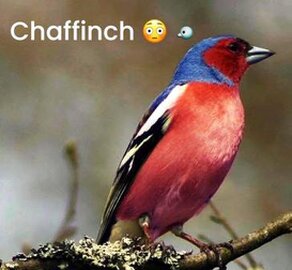
Male Chaffinches have a bright, tumbling song that ends in a distinctive “flourish”. It is attractive but can be quite loud for their size, and they may repeat it frequently during the breeding season. In a small home, one or more males can be noticeable, especially early in the morning.
Chaffinches are active, alert finches that prefer space and freedom of movement. They are generally not birds that enjoy handling, and most remain wary of close human contact even when well cared for. With calm, consistent routines they usually settle and show confident, busy behaviour around their cage or aviary.
Chaffinches can be suitable for patient beginners who have done their research, can provide an appropriately sized enclosure and are happy to enjoy the birds visually and through their song rather than through handling. They are less suited to young children or anyone wanting a “tame pet” that can be held or played with.
Chaffinches are strong fliers and do best in a spacious indoor flight or outdoor aviary, with room for short, straight flights rather than just hopping between two perches. As a minimum, aim for a cage or flight that is significantly longer than it is tall, so they can move horizontally.
Provide several natural perches of different diameters (clean, pesticide-free branches are ideal). Avoid only using smooth plastic or identical dowel perches, as these can contribute to foot problems over time.
Offer safe branches, fresh browse, swings and occasional safe toys (such as paper, grasses or woven items) to encourage natural foraging and movement. Place the enclosure in a bright, draught-free area away from kitchen fumes and cigarette smoke.
Chaffinches tolerate typical UK indoor temperatures but should be protected from sudden chills and extreme heat. Outdoor birds need shelter, a dry night area and protection from predators. Keep the enclosure clean by regularly changing paper or sand on the floor, cleaning food and water containers daily, and carrying out deeper cleans on a routine schedule.
A good-quality finch mix, including canary seed and a variety of small seeds, can form the basis of a Chaffinch’s diet. Chaffinches naturally take a mixture of seeds and invertebrates, so captive birds benefit from added protein, especially during breeding and moult.
- Small amounts of suitable green foods (such as chickweed, dandelion leaves and other safe plants) offered regularly.
- Softfood or eggfood, particularly during breeding and when rearing young.
- Livefood or dried insects (such as mealworms) used carefully and hygienically, especially in the breeding season.
- Grit and a cuttlefish bone or mineral block available so birds can obtain calcium and aid digestion.
Most keepers offer a measured amount of seed mix each morning, removing empty husks and checking that birds are actually eating the seed itself. Fresh water is provided at least once daily, and many birds enjoy a shallow bath. Softfood, green food and insects can then be offered in small amounts once or twice a day, removing uneaten portions before they spoil.
Avoid feeding salty, sugary or fatty human foods, and check that any plants and branches offered are safe for birds.
Planning before breeding
Breeding Chaffinches should never be undertaken casually. Before pairing birds, make sure you have suitable space, time, funds for veterinary care if needed, and realistic plans for any young birds. Only healthy, well-matched, legally kept birds should be bred.
Season, pairing and nests
Chaffinches usually breed in the spring and early summer. Pairs are often kept in dedicated breeding cages or small flights with visual barriers between pairs. Provide suitable nest options (such as nest pans or well-placed nest baskets) with safe nesting materials like coconut fibre or soft grasses.
Chick care and record-keeping
Parents should be allowed to rear their own young whenever possible, with good-quality softfood, insects and fresh water always available. Keep clear written records of pairings, ring numbers, hatch dates and any health problems. This helps with responsible rehoming, line management and legal compliance.
If at any point welfare is compromised, you should be prepared to separate birds, foster chicks or seek veterinary advice.
Routine checks
Observe your Chaffinches every day. A healthy bird is alert, balanced on the perch, eating and drinking well, and keeping its plumage neat. Regularly check droppings, breathing, weight and feather condition.
Common problems
- External parasites such as mites, which may cause itching, feather damage or crusty legs and beaks.
- Respiratory illness, often shown by tail-bobbing, noisy or open-mouth breathing and reduced activity.
- Weight loss or fluffed-up posture, which can be a sign of many underlying issues.
When to seek veterinary help
Any sudden change in behaviour, breathing difficulty, repeated vomiting, heavy bleeding, severe injury or inability to perch should be treated as urgent. Contact an avian vet or a practice with experience of small birds as soon as possible.
Welfare first
Good welfare means providing an appropriate environment, company where suitable, the ability to express natural behaviours, and protection from pain, suffering, injury and disease. If you are unsure whether your setup meets a Chaffinch’s needs, seek advice before adding more birds or attempting to breed.
Protection of wild Chaffinches
In the UK, wild Chaffinches are protected birds. It is illegal to take birds, eggs or nests from the wild, or to interfere with wild nests, except under specific licences. Any Chaffinch kept in captivity must have originated from lawful, captive-bred stock.
Captive-bred, ringed birds
Responsible keepers obtain Chaffinches from reputable breeders who can show that their birds are captive bred and appropriately rung in line with current UK rules. Keep purchase records, breeder details and ring numbers safely filed for future reference.
Record-keeping and sales
If you breed or sell Chaffinches, you should keep clear records of pairings, hatch dates, ring numbers and new owners. Always describe birds honestly in any advert and ensure that transport and housing at the new home will meet welfare standards.
Important notice
This page provides general information only and is not formal legal advice. Laws and guidance can change, and details may vary between parts of the UK. Always check current official sources or seek specialist advice if you are unsure about any legal requirement.
If you would like to learn more about British finches and responsible Chaffinch keeping, the rest of this website offers more detailed guidance. You can explore other species, read general care articles, or ask questions and submit compliant adverts through the club.
Before posting any advert or question, please make sure you have read the welfare and legal information and that your plans put the birds’ needs first. If in doubt, you are welcome to contact the club for friendly, informal guidance.